
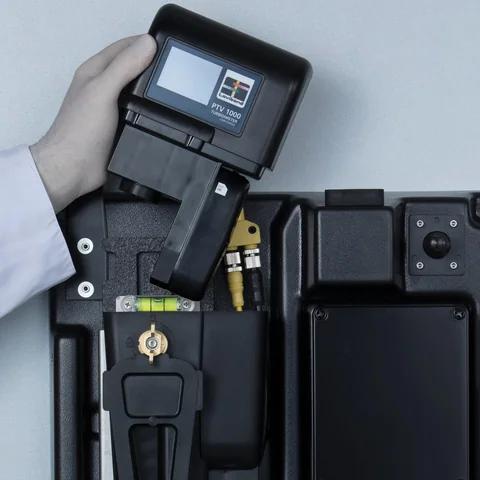
Lovibond PTV 1000 instrument and mounting panel

Choosing infrared or white light

The optical method determines how the PTV 1000 illuminates the sample and which units to record.

Read the guidance
All turbidity guides

Infrared and FNU

The PTV 1000 IR uses infrared light for ISO 7027 nephelometry. Record results from this model in FNU.

White light and NTU

The PTV 1000 WL uses the Lovibond white-light LED method. Record results from this model in NTU.

Compare like with like

Confirm the methods used by the process analyser and any reference instrument. Different illumination can produce different results on the same sample.

Write the method into the specification

Record the method, units and expected operating range in the instrument schedule. Make sure the display, historian and any reference measurements use the intended units.

Identify the installed model

When replacing an analyser or investigating a difference, record the exact model and any junction box details before ordering parts or changing settings.
Explore related topics

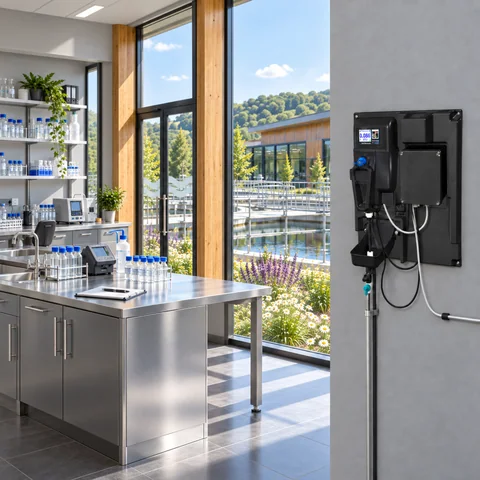
Water quality laboratory with a wall-mounted PTV 1000

What to check when turbidity shifts

Check the sample route, the analyser and recent plant events to work out what may have changed.

Read the guide
Operator working on the Lovibond PTV 1000 sensor head

Verification and calibration

Plan access for verification and calibration before deciding where to mount the instrument.

Read the guide

Planning a PTV 1000 installation?

Gather the sample, method and plant connection details for a discussion with PMA.

Prepare your enquiry

Start with the sample

Have the sampling point, expected turbidity and operating flow to hand.